
Nanotechnology: The Future of SARS-CoV-2 Detection
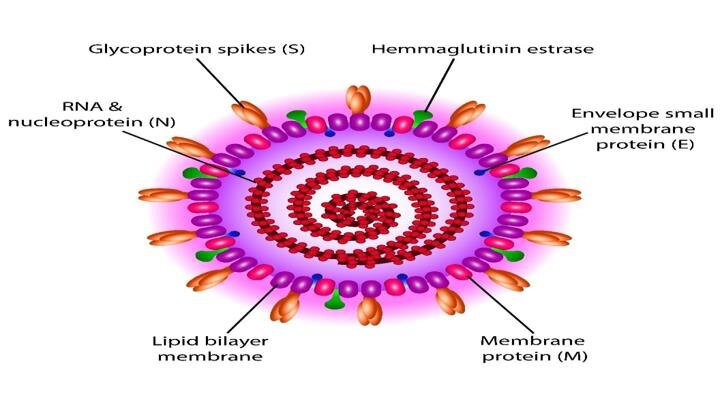
Since its emergence in December 2019, COVID-19, caused by the SARS-CoV-2 virus, has presented unprecedented global health challenges. Early and accurate detection of the virus is a critical step in mitigating its spread and managing the pandemic. While conventional molecular techniques like RT-PCR (Reverse Transcription Polymerase Chain Reaction) and ELISA (Enzyme-Linked Immunosorbent Assay) have been foundational, they often face limitations in speed, portability, and the need for sophisticated laboratory equipment.
This is where nanotechnology—the manipulation of matter on an atomic and molecular scale (1 to 100 nanometers)—emerges as a transformative tool. Nanostructures are proving to be potential candidates for creating rapid, portable, easy-to-use, and highly accurate in-field detection kits.
Recent Advances in Nano-Assisted Detection
The power of nanostructures lies in their ability to target specific biological markers and to dramatically enhance or generate detection signals. Recent research has summarized significant advancements in utilizing nanotechnology for coronavirus detection:
1. Gold Nanoparticles in Lateral Flow Immunoassays (LFIA)
Researchers have successfully integrated Gold Nanoparticles (AuNPs) into Lateral Flow Immunoassays (LFIA), which are the basis for many rapid test strips.
- Mechanism: AuNPs are conjugated with antibodies that specifically target the Receptor-Binding Domain (RBD) of the SARS-CoV-2 Spike (S) protein. * Benefit: This approach provides fast detection with high sensitivity and specificity. Crucially, the color intensity of the results can be analyzed using smartphone applications, effectively turning a simple strip test into a quantifiable and portable diagnostic tool.
2. Surface-Enhanced Raman Scattering (SERS) Platforms
Advanced sensing systems are leveraging the optical properties of nanoparticles:
- Mechanism: Scientists have developed integrated platforms using Gold Nanorods in conjunction with Surface-Enhanced Raman Scattering (SERS). The nanorods are acoustically responsive and, under ultrasonic aggregation, can efficiently collect and concentrate biomarkers from ultra-low volume (nanoliter) samples.
- Benefit: This method allows for non-PCR, direct, hand-held detection of COVID-19 nucleic acid with extremely high sensitivity in under 5 minutes, demonstrating excellent stability and reproducibility.
3. Electrochemical Biosensors
Nanoparticle technology is also improving the sensitivity of nucleic acid amplification:
- Mechanism: Platforms combining novel nucleic acid amplification techniques—such as nanoparticle-based Surface Localized Amplification (nSLAM)—with Electrochemical Detection (ECD) have been developed. Iron oxide-Gold (Fe3O4-Au) core-shell nanoparticles are used to accumulate amplicons, significantly amplifying the ECD current.
- Benefit: This results in remarkable sensitivity, capable of detecting as low as 1 copy/µL of genetic material, surpassing the sensitivity of many common molecular methods.
Future Directions: Integrated and Smart Detection
The current trend in nano-assisted detection is moving toward coupling these high-sensitivity methods with smart, integrated systems to facilitate widespread and point-of-care testing:
- Smartphone-Based Platforms: The integration of sensors with smartphone cameras and processing power is key to creating truly portable and user-friendly diagnostic kits that can be used rapidly outside of clinical settings.
- Array-Based Sensing Systems: Developing arrays allows for the simultaneous detection of multiple viral targets (e.g., different structural proteins or nucleic acid regions) or even co-existing pathogens (e.g., SARS-CoV-2 and influenza), enhancing specificity and diagnostic comprehensiveness.
- Wearable Gadgets: Future efforts include embedding nanostructure-based sensors into wearable gadgets for continuous or frequent, non-invasive monitoring.
In summary, nanotechnology offers a powerful solution to overcome the inherent limitations of traditional diagnostics, paving the way for the development of rapid, specific, and affordable testing methods essential for managing future infectious outbreaks.